Blog
Latest news from Museo del Jamón
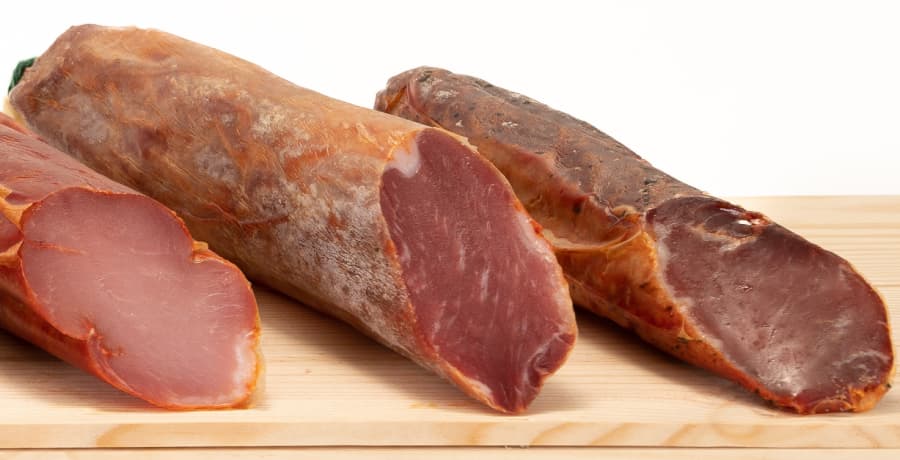
To store Iberian lomo at home, keep it in a cool, dry place away from light. Discover Museo del Jamón’s expert tips to maintain its...
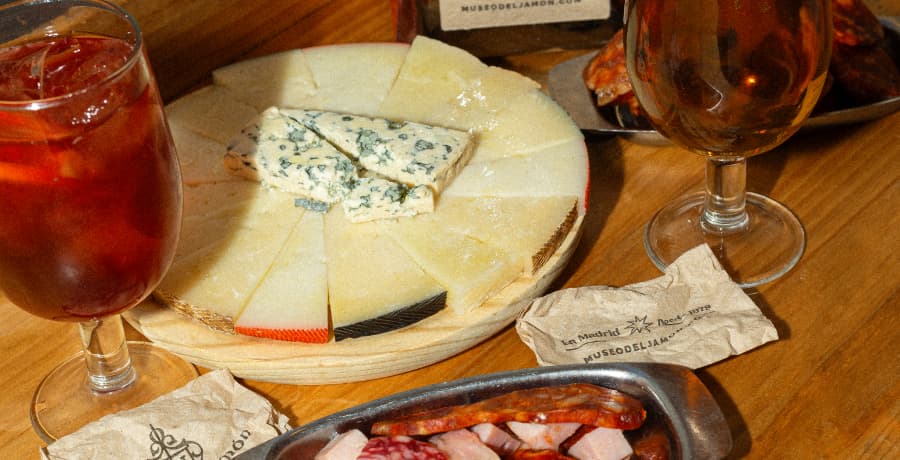
Pairing sheep’s cheese with wine depends on its curing and flavor. Learn how to combine them like an expert at Museo del Jamón....

The best Iberian hams for value for money stand out for their flavor, curing, and origin. Learn how to choose the perfect piece at Museo...
Buying quality Iberian ham is an important decision. Whether for home enjoyment, a special gift, or a festive occasion, it’s essential to ensure you’re getting...
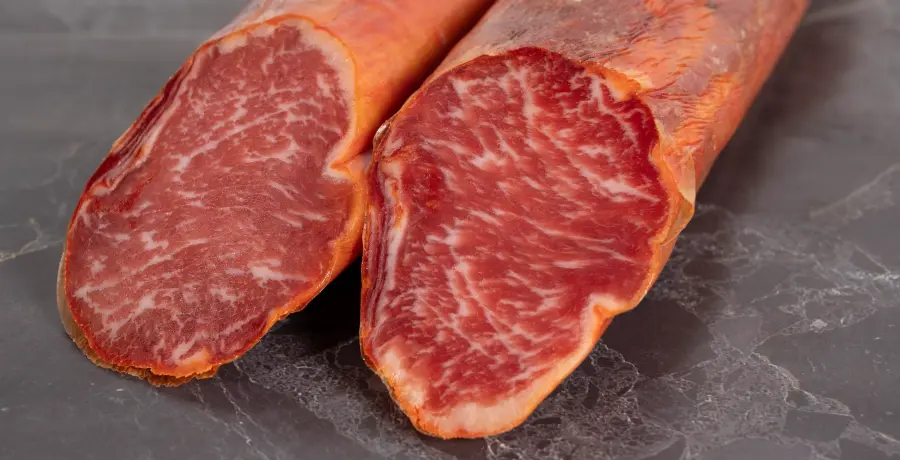
Loin is one of the most appreciated cured meats in Spanish gastronomy. But not all loins are the same. Ibérico loin de bellota and cured...

Creating a successful Ibérico cured meat board requires good taste and top-quality products. At the Museo del Jamón, we help you choose and combine our...

Acorn-fed Ibérico salchichón is a truly unique product thanks to its rearing process, curing method, and distinctive sensory qualities. At the Museo del Jamón, we...

Iberian cular chorizo is a traditional Spanish cured sausage made from Iberian pork, seasoned with paprika, garlic, and spices, and encased in a thick “cular”...

Iberian lomo is a premium cured meat made from the loin of Iberian pigs, prized for its intense flavor, lean yet tender texture, and health...

To store sheep cheese at home, keep it in the fridge’s vegetable drawer wrapped in waxed or parchment paper to let it breathe. Avoid plastic,...

Iberian ham is more than food: it’s a cultural symbol of Spain, rooted in regional traditions, family rituals, and national celebrations. Present at weddings, Christmas,...

Authentic Iberian chorizo comes from Iberian pigs, free-range and acorn-fed, with traditional curing that creates a rich, marbled texture and complex flavor. Conventional chorizo, made...